Casino hotel design represents one of the most fascinating applications of environmental psychology in commercial architecture. Every element—from lighting and color schemes to spatial layouts and sensory experiences—is carefully orchestrated to create environments that engage guests, encourage exploration, and optimize overall experience. Understanding these design principles reveals the sophisticated thinking behind these complex entertainment destinations.
The Foundations of Casino Design Psychology
Environmental psychology, the study of how physical spaces affect human behavior and wellbeing, provides the theoretical foundation for casino hotel design. This field recognizes that architecture profoundly influences emotions, behaviors, and decision-making, often in ways people don't consciously recognize.
Casino designers leverage these principles to create environments that feel exciting, luxurious, and engaging while remaining comfortable for extended periods. The goal isn't manipulation but optimization—creating spaces where guests naturally feel welcomed, entertained, and inclined to explore various offerings.
Modern casino design philosophy has evolved significantly from earlier approaches. Classic casino design emphasized creating maze-like, windowless environments where guests lost track of time. Contemporary design takes more sophisticated approaches, balancing engagement with comfort, and recognizing that today's guests respond better to transparent, welcoming environments.
Spatial Layout and Navigation
Spatial organization significantly impacts guest experience in casino hotels. Layout decisions determine how easily guests navigate properties, what areas they naturally encounter, and how they perceive the overall space. These decisions reflect careful balancing of multiple objectives.
Modern casino layouts typically employ what designers call "organized complexity." Rather than overwhelming guests with vast, undifferentiated spaces, areas are subdivided into distinct zones, each with recognizable characteristics. This subdivision helps guests orient themselves while maintaining visual interest and variety.
Circulation patterns receive enormous attention during design. Primary pathways guide guests past key attractions—premium gaming areas, signature restaurants, entertainment venues—increasing awareness and encouraging spontaneous visits. Secondary pathways provide direct routes to destinations, acknowledging that guests sometimes want efficient navigation rather than exploratory wandering.
Creating Focal Points and Landmarks
Effective casino hotel design establishes clear landmarks and focal points that help guests orient themselves. These might include dramatic architectural features, large-scale artwork, water features, or distinctive design elements that create memorable reference points.
These landmarks serve practical and psychological purposes. Practically, they help guests navigate complex properties without frustration. Psychologically, they create memorable moments and Instagram-worthy photo opportunities that extend marketing reach when guests share experiences on social media.
Lighting Design and Psychological Impact
Lighting may be the most powerful tool in casino hotel design psychology. Light affects mood, energy levels, perception of time, and even gambling behavior. Designers manipulate natural and artificial lighting to create desired psychological effects throughout properties.
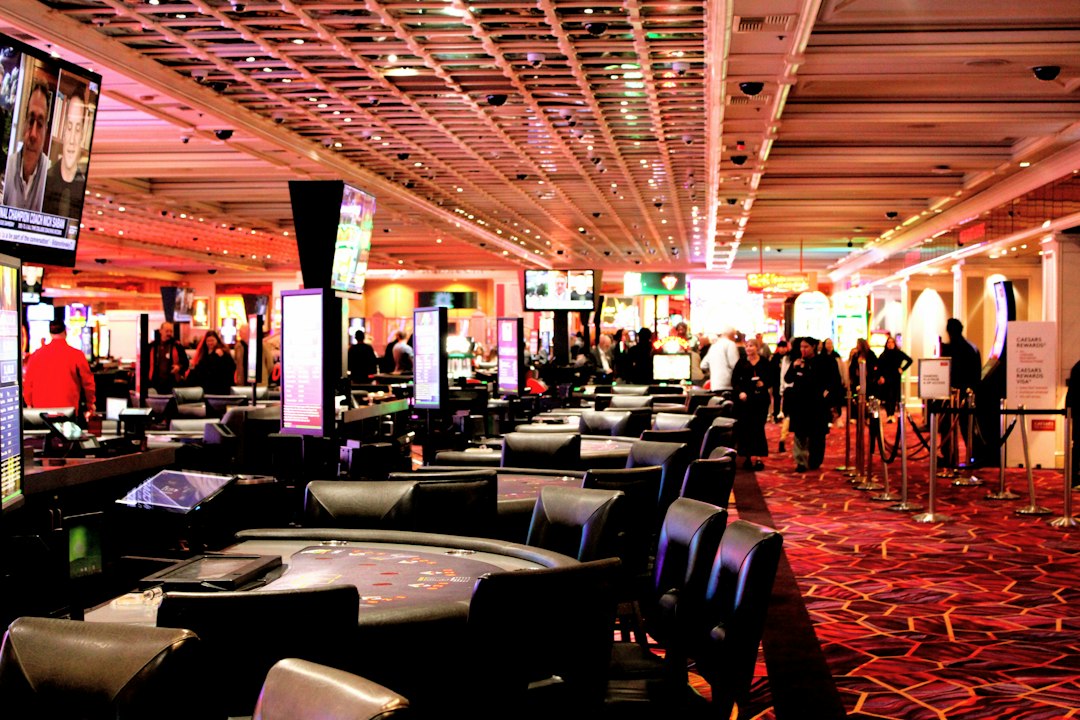
Gaming areas traditionally featured bright lighting that maintained alertness and energy. However, contemporary approaches use more nuanced strategies. Varied lighting creates different moods in different zones: bright, energetic lighting in slot areas; more subdued, focused lighting at table games; intimate, sophisticated lighting in VIP rooms.
Color temperature significantly impacts psychological response. Warmer lighting creates cozy, intimate feelings, while cooler lighting promotes alertness and energy. Designers use these effects strategically, employing warmer tones in lounges and restaurants, cooler tones in gaming areas requiring concentration.
Natural Light Integration
Modern casino hotels increasingly incorporate natural light, contradicting traditional wisdom that windows distract from gaming. Research shows natural light improves mood, reduces stress, and increases overall satisfaction. Properties balancing natural light with controlled artificial lighting create more pleasant environments that guests prefer.
Strategic window placement captures views while managing glare and heat gain. Automated shading systems adjust throughout the day, maintaining optimal conditions. The presence of windows and natural light makes spaces feel less enclosed, reducing any feelings of confinement during extended stays.
Color Psychology in Casino Environments
Color choices profoundly affect mood and behavior, making color psychology essential to casino design. Different colors evoke different emotional responses: reds and oranges create energy and excitement; blues and greens promote calm and relaxation; gold and purple suggest luxury and sophistication.
Gaming areas often employ warm, energetic colors—reds, oranges, yellows—that maintain excitement and energy. Restaurant areas might use more varied palettes depending on cuisine and concept, from warm earth tones in steakhouses to cool blues in seafood restaurants. Hotel corridors and rooms typically use more neutral, calming colors promoting relaxation.
Color saturation and intensity matter as much as hue selection. Highly saturated colors create drama and energy but can overwhelm in large doses. Designers typically use intense colors as accents against more neutral backgrounds, creating visual interest without overwhelming guests.
Sound Design and Acoustic Environment
Sound significantly influences casino hotel ambiance, though guests often don't consciously notice acoustic design. The goal is creating appropriate soundscapes for different areas—energetic in gaming zones, intimate in restaurants, tranquil in spas—while managing noise levels throughout.
Gaming areas feature carefully orchestrated sound environments. Slot machines produce distinctive audio feedback, music plays at volumes that energize without overwhelming, and ambient sound masks create comfortable acoustic backgrounds. These elements combine to create engaging auditory environments that maintain excitement.
Acoustic separation between areas prevents sound bleeding that could damage different atmospheric zones. Restaurants near gaming areas require sound isolation maintaining intimate dining ambiance. Hotel guest rooms need excellent soundproofing ensuring restful sleep despite 24-hour property operations.
Music and Tempo
Background music selection affects guest behavior in measurable ways. Faster-tempo music increases activity levels and pace; slower music promotes lingering. Casinos might use uptempo music in gaming areas encouraging active play, while restaurants employ gentler music encouraging leisurely dining.
Volume levels require careful calibration. Too loud becomes annoying; too quiet feels empty and uncomfortable. Optimal volumes create pleasant acoustic backgrounds that guests notice subconsciously rather than consciously, contributing to overall ambiance without demanding attention.
Scent and Olfactory Design
Scent represents perhaps the most subtle design element, yet it powerfully influences mood and memory. Many casino hotels employ signature scents in lobbies and public areas, creating olfactory brands that guests associate with their properties.
Pleasant ambient scenting has been shown to increase guest satisfaction, encourage lingering, and create positive associations. Scents might be fresh and clean in hotel corridors, warm and inviting in lobbies, or sophisticated and subtle in VIP areas. The key is subtlety; guests should enjoy pleasant environments without consciously identifying artificial scenting.
Different areas might employ different scent strategies. Spa areas might use calming lavender or eucalyptus. Restaurants rely on natural food aromas rather than artificial scenting. Gaming areas might use energizing citrus or subtle vanilla notes. This variation reinforces the distinct character of different zones.
Texture and Tactile Experience
Physical materials create tactile experiences that contribute to perceived luxury and comfort. Soft carpets underfoot, smooth marble or polished wood surfaces, plush upholstery—these tactile elements communicate quality and attention to detail.
Designers select materials considering both aesthetics and tactile qualities. Leather feels luxurious; velvet feels indulgent; smooth stones feel cool and substantial. Gaming areas might feature different carpet textures defining zones. Hotel corridors use materials feeling soft and quiet underfoot. Restaurants incorporate varied textures creating sensory interest.
Temperature also affects tactile comfort. Climate control systems maintain comfortable temperatures throughout properties, but designers also consider material temperatures. Cool stone provides relief in warm climates; warm wood tones create psychological warmth even at neutral temperatures.
The Role of Ceiling Height and Volume
Ceiling heights significantly affect psychological responses to spaces. Higher ceilings create feelings of grandeur, openness, and importance; lower ceilings feel more intimate and cozy. Casino designers use ceiling height variations strategically throughout properties.
Grand entrances and lobbies typically feature soaring ceilings creating impressive first impressions. Gaming floors might have high ceilings maintaining openness despite crowds and activity. More intimate areas like lounges or VIP rooms use lower ceilings creating cozy, exclusive feelings.
Volume—the three-dimensional space within rooms—affects how sound travels and how people feel within spaces. Large volumes can feel impressive but might also feel empty without adequate furnishing and visual interest. Designers carefully balance volume, furnishings, and design elements creating spaces that feel appropriately sized and comfortably proportioned.
Technology Integration and Digital Psychology
Modern casino hotels integrate extensive technology, and how this technology is presented affects guest psychology. Visible technology can feel cold and impersonal; well-integrated technology feels magical and effortless.
The best technology implementations become invisible. Guests access information through intuitive interfaces, control room environments through simple controls, and navigate properties using clear wayfinding without noticing the sophisticated systems enabling these conveniences.
Digital displays and interactive technologies create engagement opportunities. Information screens, digital art, and interactive directories provide utility while adding visual interest. The challenge lies in integrating these digital elements without creating visual clutter or technological overwhelm.
Social Spaces and Human Interaction
While technology grows increasingly prevalent, human social needs remain constant. Successful casino hotels create spaces encouraging positive social interactions—conversation areas, communal tables, open layouts allowing people-watching.
Bar areas exemplify social space design. Open configurations let patrons see and be seen. Varied seating options accommodate couples seeking intimacy, small groups wanting conversation, and individuals happy to chat with strangers. These spaces facilitate the social connections that make casino visits memorable beyond gaming or shows.
Gaming floor layouts balance concentration required for play with social atmosphere that makes gambling entertaining rather than isolating. Slot banks allow sight lines between players; table games naturally create social circles; poker rooms foster camaraderie among regular players.
Wayfinding and Information Architecture
Effective wayfinding—helping guests navigate complex properties—is crucial to positive experiences. Poor wayfinding creates frustration; excellent wayfinding feels intuitive and effortless.
Modern wayfinding combines multiple strategies: clear signage at decision points, consistent design vocabularies helping guests understand spatial organization, natural sight lines showing destinations, and helpful staff positioned to assist. Digital tools—mobile apps with maps and directions—supplement physical wayfinding.
Information architecture extends beyond physical navigation to helping guests understand available offerings, operating hours, pricing, and booking procedures. Clear, accessible information reduces confusion and helps guests make decisions aligning with their interests.
Creating Emotional Narratives Through Design
Sophisticated casino hotel design tells stories, creating emotional narratives that make visits memorable. These narratives might reference local history and culture, evoke exotic destinations, or create entirely fantastical environments.
Themed elements work best when integrated thoughtfully rather than superficially. Authentic materials, careful detailing, and consistent execution create believable environments. Half-hearted theming feels tacky; committed theming creates immersive experiences guests remember.
Australian casino hotels often draw inspiration from the nation's landscape, culture, and coastal lifestyle. Design elements might reference the Outback, coastal environments, or indigenous art and culture. These connections create authentic experiences that resonate with local guests while intriguing international visitors.
Responsible Design and Guest Wellbeing
Modern casino design increasingly considers guest wellbeing and responsible gaming. This includes clear exit signage, visible clocks, natural light, and comfortable seating encouraging breaks. Responsible gaming information is presented accessibly without undermining entertainment atmosphere.
Design also supports staff wellbeing. Break areas provide comfortable respite from public areas. Staff circulation paths minimize walking distances. Design consideration for staff who spend entire shifts in these environments demonstrates institutional values extending beyond guest experience.
Accessibility design ensures all guests can navigate and enjoy properties regardless of physical abilities. This goes beyond code compliance to thoughtful consideration of how design either enables or inhibits full participation in available experiences.
The Evolution of Casino Design Philosophy
Casino design philosophy continues evolving, influenced by generational preferences, technological capabilities, and changing social values. Younger generations particularly value authentic experiences over artificial theming, social connectivity over isolated entertainment, and corporate responsibility including environmental sustainability.
Future casino hotel design will likely emphasize flexibility—spaces that adapt to different uses and preferences. Technology will enable greater personalization, with environments adjusting to individual preferences. Sustainability will become increasingly central, with design actively promoting environmental responsibility.
Conclusion
The psychology of casino hotel design represents sophisticated application of environmental psychology, architectural theory, and behavioral science. Every element—spatial organization, lighting, color, sound, scent, materials—contributes to carefully orchestrated experiences affecting how guests feel and behave.
Properties like Paperbarklodge demonstrate how these principles create engaging, comfortable environments that guests genuinely enjoy. By understanding the psychological foundations of design decisions, we gain appreciation for the thought and expertise required to create these complex entertainment destinations.
Effective casino hotel design balances multiple objectives: creating excitement while maintaining comfort, encouraging exploration while preventing confusion, promoting engagement while supporting responsible gaming. When executed successfully, design becomes invisible—guests simply enjoy exceptional experiences without consciously analyzing the sophisticated psychological and architectural thinking that makes those experiences possible. In this invisibility lies the true measure of design success, creating environments so naturally comfortable and engaging that they feel effortless, allowing the human experiences they enable to shine as the true stars.