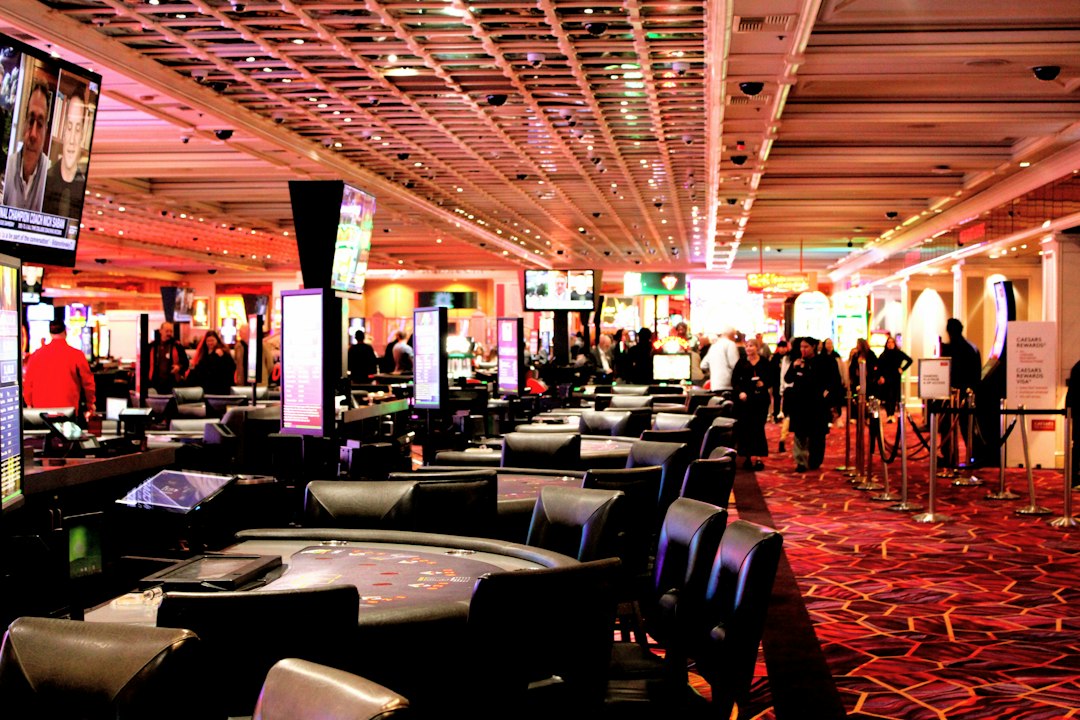
Casino hotels have transformed dramatically over the past century, evolving from simple gambling halls to elaborate entertainment complexes that define luxury hospitality. This remarkable journey spans continents and cultures, with Australia emerging as a significant player in the modern casino hotel landscape.
The Birth of the Casino Hotel Concept
The concept of combining gambling with accommodation didn't happen overnight. In the early 20th century, casinos were typically standalone establishments, often operating in legal grey areas. The integration of hotels with gaming facilities represented a revolutionary shift in the hospitality industry.
The 1940s marked the beginning of this transformation in Las Vegas, Nevada. Visionary entrepreneurs recognized that keeping patrons on-site for extended periods would maximize gaming revenue. The first integrated casino hotels were modest affairs compared to today's mega-resorts, but they laid the groundwork for an industry worth billions.
Las Vegas: The Pioneer of Luxury Gaming Resorts
Las Vegas became the testing ground for the casino hotel concept. The opening of the Flamingo in 1946, backed by infamous figures of the era, represented a new vision for gambling establishments. This wasn't just a place to gamble; it was a destination offering entertainment, fine dining, and comfortable accommodations.
Throughout the 1950s and 1960s, Las Vegas experienced explosive growth. Casino hotels became increasingly elaborate, competing not just on gaming offerings but on overall guest experience. The Sands, the Riviera, and Caesars Palace each pushed boundaries, introducing themed environments and world-class entertainment that attracted visitors from around the globe.
The 1980s and 1990s saw another evolution with the construction of mega-resorts. Properties like The Mirage, Bellagio, and Venetian redefined luxury in the casino hotel sector. These weren't merely hotels with casinos attached; they were comprehensive entertainment destinations featuring shopping boulevards, nightclubs, concert venues, and restaurants helmed by celebrity chefs.
The Australian Casino Hotel Emergence
While Las Vegas was establishing itself as the global gaming capital, Australia was developing its own casino culture. The first legal casino in Australia opened in Hobart, Tasmania, in 1973 at Wrest Point Hotel Casino. This marked the beginning of Australia's legitimate casino industry.
Throughout the 1980s and 1990s, major Australian cities embraced casino development. Melbourne's Crown Casino, Sydney's Star Casino, and properties in Perth, Adelaide, and Brisbane brought the integrated resort model to Australian shores. These establishments adapted the Las Vegas formula while incorporating distinctly Australian elements.
Unique Australian Characteristics
Australian casino hotels developed their own identity, distinguishing themselves from their American counterparts in several ways. Rather than the over-the-top theming common in Las Vegas, Australian properties tended toward sophisticated, contemporary designs that emphasized elegance over spectacle.
The regulatory environment in Australia also shaped casino hotel development. Stricter gambling regulations and responsible gaming initiatives became integral to operations, influencing everything from floor layouts to staff training. This created a different atmosphere, one that balanced entertainment with social responsibility.
The Global Expansion and Diversification
The success of casino hotels in Las Vegas and Australia inspired global expansion. Macau emerged as the world's largest gaming market, surpassing Las Vegas in revenue. Singapore developed Marina Bay Sands and Resorts World Sentosa, creating new benchmarks for integrated resorts.
This global expansion brought innovation. Macau's properties incorporated Chinese cultural elements and preferences. Singapore's casino hotels emphasized family-friendly attractions alongside gaming facilities. Each region adapted the concept to local tastes and regulatory frameworks.
Technology's Impact on Modern Casino Hotels
The digital revolution has profoundly impacted casino hotels. Modern properties integrate cutting-edge technology throughout the guest experience. Digital slot machines offer interactive experiences that traditional mechanical slots never could. Table games incorporate electronic betting systems and digital displays.
Beyond gaming, technology enhances every aspect of the casino hotel experience. Mobile apps allow guests to check in, access their rooms, make restaurant reservations, and track loyalty rewards. Smart room technology lets guests customize lighting, temperature, and entertainment systems. Artificial intelligence powers personalized marketing and customer service.
The Online Challenge and Response
The rise of online gambling presented both challenges and opportunities for traditional casino hotels. Initially viewed as competition, online platforms are now seen as complementary offerings. Many casino hotels have developed their own online gaming platforms, extending their brand reach beyond physical locations.
This has led to omnichannel strategies where online and offline experiences integrate seamlessly. Loyalty programs now span both digital and physical gaming. Players can earn rewards online and redeem them at physical properties, and vice versa.
Modern Design Philosophy and Guest Experience
Contemporary casino hotels have moved beyond gaming as their primary focus. While gambling remains central to the business model, the most successful properties position themselves as comprehensive entertainment and leisure destinations.
Modern design emphasizes open, light-filled spaces rather than the windowless, clock-free environments that characterized earlier casinos. Natural light is welcomed, and interior design often draws inspiration from local culture and environment. This shift reflects changing guest expectations and a broader understanding of hospitality.
Amenities have expanded dramatically. World-class spas, championship golf courses, concert venues, shopping complexes, and diverse dining options are now standard features. Many properties also include convention centers, making them attractive venues for business events and conferences.
Sustainability and Social Responsibility
The modern casino hotel industry increasingly embraces sustainability and social responsibility. Leading properties implement green building standards, renewable energy systems, and comprehensive recycling programs. Water conservation, especially in locations like Las Vegas and Australia where water is precious, has become a priority.
Social responsibility extends to gaming practices. Responsible gambling programs, self-exclusion options, and staff training to identify problem gambling behaviors are now industry standards, particularly in well-regulated markets like Australia. This represents a significant evolution from the industry's earlier attitudes.
The Australian Casino Hotel Today
Contemporary Australian casino hotels represent the pinnacle of this evolution. Properties like Crown Melbourne and The Star Sydney offer experiences that rival any global gaming destination. They combine international luxury standards with distinctly Australian hospitality and design sensibilities.
Regional Australian casino hotels have also flourished, serving local markets while attracting domestic tourism. These properties often emphasize their connection to local communities, supporting regional employment and economic development.
The integration of Australian casino hotels into broader entertainment precincts has been particularly successful. Rather than isolated complexes, they form anchors of urban entertainment districts, surrounded by restaurants, theaters, and cultural venues that benefit from the foot traffic they generate.
Future Trends and Innovations
The future of casino hotels promises continued evolution. Virtual reality and augmented reality technologies are beginning to influence gaming experiences. Esports venues are appearing in casino hotels, attracting younger demographics. Wellness has become a major focus, with properties expanding spa, fitness, and healthy dining options.
Environmental sustainability will likely play an increasingly important role. Future casino hotels may incorporate even more sophisticated green technologies, from solar power to advanced water recycling systems. The industry's carbon footprint will come under greater scrutiny, driving innovation in sustainable operations.
Conclusion
The evolution of casino hotels from Las Vegas gambling halls to sophisticated Australian entertainment complexes reflects broader changes in hospitality, entertainment, and consumer expectations. What began as a simple combination of gambling and accommodation has transformed into a complex, multi-faceted industry that touches numerous aspects of tourism and leisure.
Australian casino hotels have carved out their own identity within this global industry, balancing international luxury standards with local character and regulatory rigor. As the industry continues evolving, properties like Paperbarklodge represent the next chapter in this ongoing story, offering guests experiences that honor the past while embracing the future.
The journey from those first modest Las Vegas casino hotels to today's integrated entertainment resorts demonstrates the industry's remarkable adaptability and innovation. As guest expectations continue evolving and new technologies emerge, casino hotels will undoubtedly continue their transformation, always seeking new ways to combine excitement, luxury, and memorable experiences.